Do infrared saunas

Actually Work?

Rated 4.8 ★★★★★

Banner Image
Banner Image

“A sauna for $800? No way.”

That’s what we thought too.

We’ve all been podcast-pilled into believing you need a $5,000 cedar box, 200°F, and an IV drip of electrolytes to get any health benefits.

So when a portable infrared sauna shows up for under $800? It sounds too good to be true.

Does it actually work? Can it lower blood pressure? Will I even sweat?

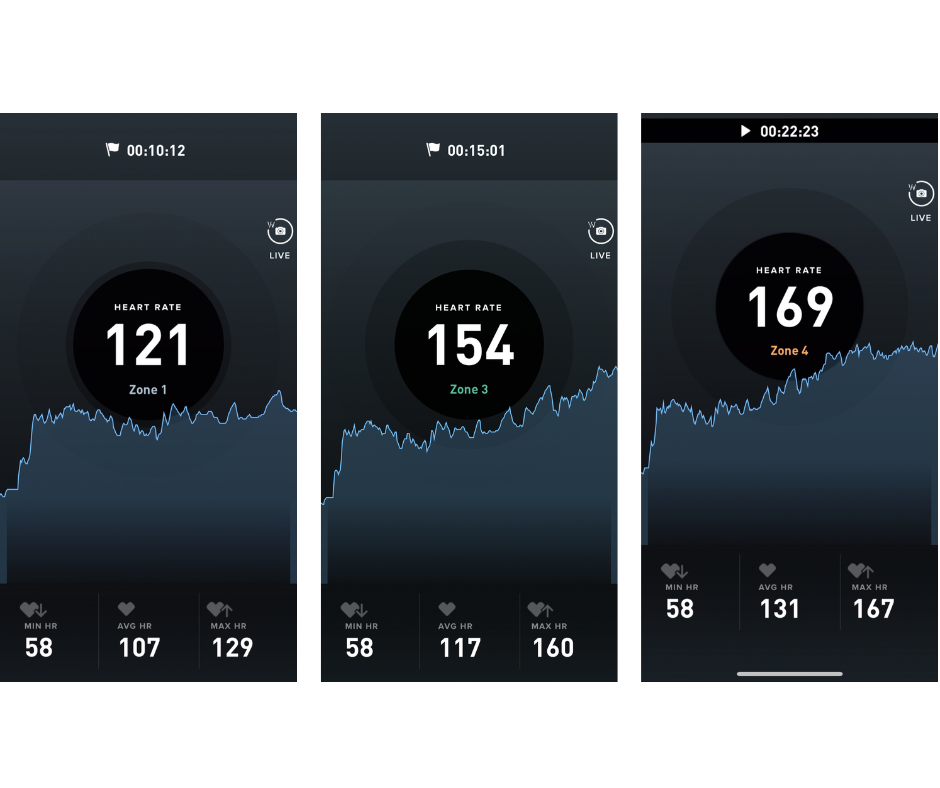
We had the same doubts—so we analyzed these 4 important questions below. We looked at the data, including a user's sweat loss and heart rate after one session.... and this just might surprise you (you won't believe #4) ⬇

trusted by thousands of athletes

How infrared works

Infrared saunas heat the body directly, not the air around you.

Infrared saunas work by emitting infrared light wavelengths that are absorbed directly by the body. Instead of heating the air around you, the energy penetrates skin and tissue, heating you from the inside out.

This allows infrared saunas to operate at lower ambient temperatures, while still delivering meaningful physiological effects.

#1 DOES IT ACTUALLY IMPROVE HEART HEALTH?

CARDIOVASCULAR CONDITIONING WITHOUT THE TREADMILL:

Because infrared saunas operate at lower ambient temperatures (usually 110–140°F), people often wonder if they are getting a "real" workout for their heart. The answer is a resounding yes.

As the infrared light penetrates your skin, your body’s natural cooling response begins. Your blood vessels widen to increase blood flow, and your heart rate ticks up to pump that blood to the surface.

According to functional medicine experts at the Cleveland Clinic, this physiological response actually mimics the cardiovascular benefits of walking at a moderate pace. You get the heart-health and blood pressure benefits of steady-state cardio, all while sitting still.

#2 DOES IT REALLY HELP WITH MUSCLE RECOVERY?

DEEP TISSUE PENETRATION FOR FASTER HEALING

We all know heat feels good on sore muscles, but infrared heat does something completely different than a hot bath or a traditional sauna. Because far-infrared light waves penetrate up to two inches below the skin, they heat your muscles and joints directly.

This deep-tissue heating triggers a massive increase in localized blood circulation, flushing out metabolic waste like lactic acid and delivering oxygen-rich blood directly to fatigued muscles.

Multiple clinical studies, including a landmark 2015 study in SpringerPlus, have shown that far-infrared sauna bathing significantly improves recovery from both strength and endurance training, while also serving as a highly effective treatment for chronic joint pain.

Unlock Offer

#3: Is it safe to use?

Third-Party Tested and Trusted

OEKO-TEX® Certified Insulated Cover

Meaning every layer of fabric has been tested and proven free from harmful substances. This certification ensures the sauna tent is safe, even in high-heat environments.

Learn More

100% PFAS-Free (Forever Chemicals Free)

Our Pulse sauna fabric is independently tested and certified free from harmful “forever chemicals,” ensuring a cleaner, safer wellness experience.

View Test Report

EMF Shielding

Designed with innovative low EMF heating panels for a safe sauna experience

Red Lights Manufactured in an FDA-Registered Facility

Our red light therapy devices are produced in an FDA-registered facility, ensuring quality, safety, and adherence to rigorous manufacturing standards.

View our safety certifications

#4: Is this backed by Science?

Infrared vs. Traditional Sauna: Show Me the Medical Studies

We only hear podcasts talk about traditional dry saunas — so can infrared actually lead to real health benefits? Well, this might shock you.

A recent study comparing far-infrared saunas vs. traditional saunas proved that infrared saunas were actually MORE effective at penetrating human tissue — even at a fraction of the temperature.

If you think about it, it makes sense. Infrared light waves heat your body directly rather than just heating the air around you (think: standing in direct sunlight on a cool day vs. standing in a hot, stuffy room).

This is why you can achieve similar cardiovascular and recovery benefits at a much lower temperature (110–140°F) — because infrared light penetrates 1.5 to 2 inches deep into your muscles and tissues.

In fact, a 2025 study found that a single far-infrared sauna session raised deep muscle temperature without raising core body temperature at all. That's a mechanism no traditional sauna can replicate. The heat isn't in the room. It's in your tissue.

Don't believe me? I can't blame you — it shocked me too. You can read the clinical studies yourself:

  • Reed et al. (2025) — Journal of Applied Physiology
  • Mero et al. (2015) — SpringerPlus
  • Atencio et al. (2025) — American Journal of Physiology

Longer sessions = More sweat

Direct heat allows longer sessions, which can result in greater sweat output over time.

Less Energy Consumption

No electrician required. Plug in and sauna anywhere.

Helps Improves Circulation

Improved circulation helps deliver oxygen and nutrients more efficiently.

The Science

Click Below to Understand the Physiological Effects of Heat Therapy
Increase in Body Temperature

Mechanism: Heat exposure raises your body’s core temperature as you enter the sauna, leading to an increase in sweat production. Benefits: Helps in cooling the body through sweating and prepares it for enhanced detoxification and relaxation.

Sweating and Detoxification

Mechanism: Exposure to heat increases body temperature, triggering the sweating mechanism. Sweating helps the body expel toxins and waste products through the skin. Benefits: Regular sweating through heat therapy can support detoxification by aiding in the removal of heavy metals, chemicals, and metabolic waste products.

Blood Flow

Mechanism: Heat therapy induces vasodilation, which is the widening of blood vessels. This process improves blood flow and circulation, allowing more oxygen and nutrients to reach tissues. Benefits: Enhanced blood flow supports muscle relaxation, accelerates the healing process, and can help reduce pain and stiffness in conditions like arthritis and muscle strains.

Muscle Relaxation

Mechanism: Heat helps to relax muscles by increasing blood flow to the affected area, which reduces muscle tension and spasm. It also promotes the elasticity of muscle fibers and connective tissues. Benefits: This relaxation effect can alleviate muscle pain, stiffness, and soreness, making heat therapy a valuable tool for recovery and pain management.

Increased Metabolic Rate

Mechanism: Heat therapy raises the body’s core temperature, which in turn increases the metabolic rate. This heightened metabolic activity supports various physiological processes, including calorie expenditure Benefits: A higher metabolic rate supports metabolic health and can contribute to improved energy levels and overall metabolic function.

Relaxation and Stress Relief

Mechanism: Heat stimulates the release of endorphins, providing a natural mood boost and stress relief. Benefits: Enhances mental well-being, reduces stress levels, and contributes to a sense of relaxation and calm.

Respiratory Health

Mechanism: The warm, humid air in saunas can help open airways, loosen mucus, and improve breathing. Benefits: Can be beneficial for individuals with respiratory conditions like asthma or bronchitis by aiding in easier breathing and reducing congestion.

Post-Sauna Cooling

Mechanism: After exiting the sauna, the body begins to cool down as it returns to its normal temperature. Rehydration helps to restore fluid balance lost through sweating. Benefits: Cooling down helps signal to your body that it’s time to wind down, which can promote better sleep. A lowered core temperature after a sauna session can align with your body’s natural sleep rhythm, leading to more restful sleep. Proper rehydration also supports overall recovery and maintains hydration levels essential for a good night’s rest.

Increase in Body Temperature

Mechanism: Heat exposure raises your body’s core temperature as you enter the sauna, leading to an increase in sweat production. Benefits: Helps in cooling the body through sweating and prepares it for enhanced detoxification and relaxation.

Sweating and Detoxification

Mechanism: Exposure to heat increases body temperature, triggering the sweating mechanism. Sweating helps the body expel toxins and waste products through the skin. Benefits: Regular sweating through heat therapy can support detoxification by aiding in the removal of heavy metals, chemicals, and metabolic waste products.

Blood Flow

Mechanism: Heat therapy induces vasodilation, which is the widening of blood vessels. This process improves blood flow and circulation, allowing more oxygen and nutrients to reach tissues. Benefits: Enhanced blood flow supports muscle relaxation, accelerates the healing process, and can help reduce pain and stiffness in conditions like arthritis and muscle strains.

Muscle Relaxation

Mechanism: Heat helps to relax muscles by increasing blood flow to the affected area, which reduces muscle tension and spasm. It also promotes the elasticity of muscle fibers and connective tissues. Benefits: This relaxation effect can alleviate muscle pain, stiffness, and soreness, making heat therapy a valuable tool for recovery and pain management.

Increased Metabolic Rate

Mechanism: Heat therapy raises the body’s core temperature, which in turn increases the metabolic rate. This heightened metabolic activity supports various physiological processes, including calorie expenditure Benefits: A higher metabolic rate supports metabolic health and can contribute to improved energy levels and overall metabolic function.

Relaxation and Stress Relief

Mechanism: Heat stimulates the release of endorphins, providing a natural mood boost and stress relief. Benefits: Enhances mental well-being, reduces stress levels, and contributes to a sense of relaxation and calm.

Respiratory Health

Mechanism: The warm, humid air in saunas can help open airways, loosen mucus, and improve breathing. Benefits: Can be beneficial for individuals with respiratory conditions like asthma or bronchitis by aiding in easier breathing and reducing congestion.

Post-Sauna Cooling

Mechanism: After exiting the sauna, the body begins to cool down as it returns to its normal temperature. Rehydration helps to restore fluid balance lost through sweating. Benefits: Cooling down helps signal to your body that it’s time to wind down, which can promote better sleep. A lowered core temperature after a sauna session can align with your body’s natural sleep rhythm, leading to more restful sleep. Proper rehydration also supports overall recovery and maintains hydration levels essential for a good night’s rest.

REVOLUTIONIZE YOUR RECOVERY

On Sale