


Can You Burn Calories Just By Sitting There?
Key Takeaways
1. Yes, heat raises metabolic rate by ~50% (short term).
2. The real fat loss comes from insulin sensitivity & cortisol management.
3. "Weight lost" on the scale is water; rehydrate immediately.
It sounds like a late-night infomercial promise: "Melt fat while you sit still." But unlike the vibrating ab-belts of the 90s, thermal stress has legitimate biological mechanisms.
To use a sauna for body composition effectively, you first need to stop confusing dehydration with metabolic adaptation. Let's look at the actual thermodynamic math.
The Thermodynamic Reality
Your body works relentlessly to keep your core temperature at 98.6°F. When you enter a 140°F+ environment, your cardiovascular system shifts into overdrive to cool you down via vasodilation and sweating.
The Verdict: You are burning more calories than sitting at your desk—roughly 1.5 to 2 times your resting rate. In a 30-minute session, an average person might burn 50–70 extra calories. It's real, but it's not a pizza-eraser.
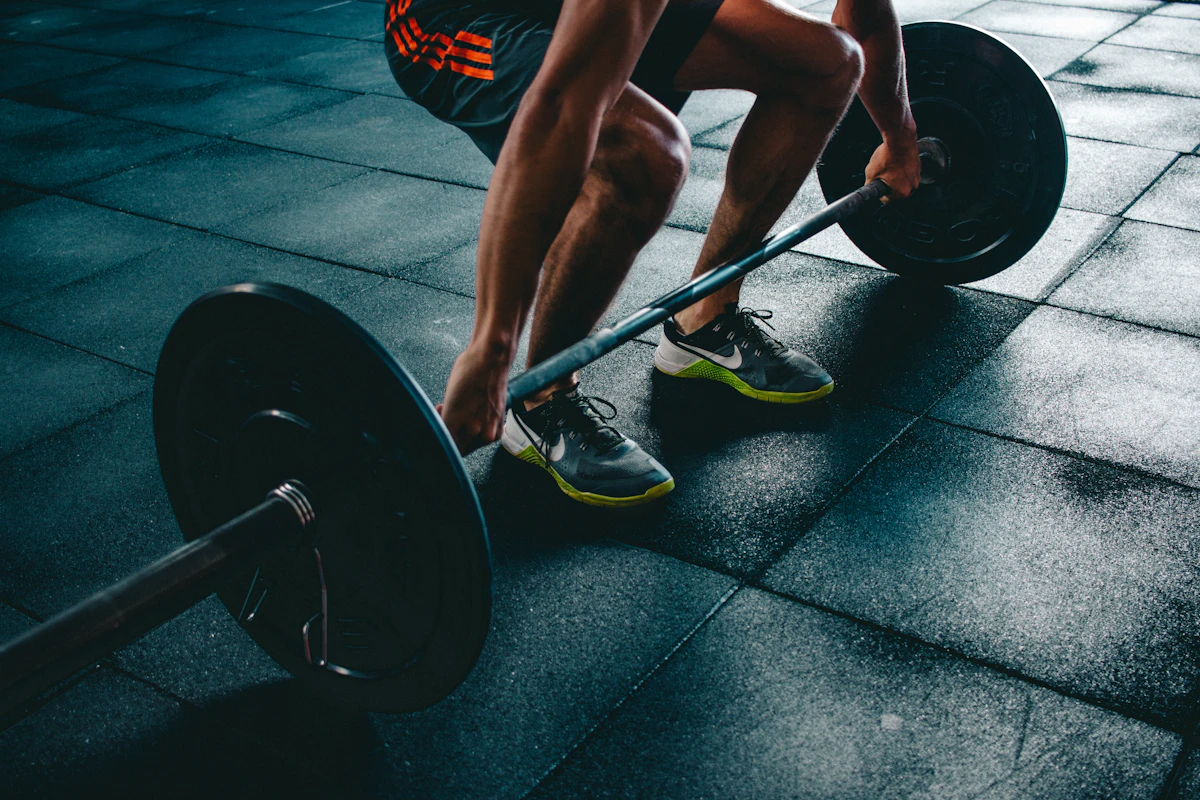 Fig 1. Heat stress mimics mild cardiovascular exercise.
The "Indirect" Fat Loss Stack
If the direct calorie burn is minor, why do biohackers and bodybuilders swear by saunas during cutting phases? Because of the indirect metabolic stack.
Insulin Sensitivity
Heat exposure has been shown to reduce fasting blood glucose. Better insulin sensitivity means nutrients are partitioned into muscle, not fat.
Cortisol Reduction
Chronic stress keeps your body in "storage mode." The post-sauna parasympathetic state lowers cortisol, reducing stubborn belly fat storage.
Growth Hormone
Heat stress triggers temporary spikes in Human Growth Hormone (HGH), which preserves lean muscle. More muscle = higher daily metabolism.
Cardio Capacity
Heat acclimation increases plasma volume. This allows you to train harder and burn more calories during your actual workouts.
The "Metabolic Support" Protocol
Don't just sit there randomly. If your goal is to support body composition, use this specific routine.
Train First
Use the sauna after your workout. Your heart rate is already elevated, extending the "afterburn" effect (EPOC).
Duration & Heat
Aim for 20–30 minutes. You want to reach a point of mild discomfort. This signals the body to release Heat Shock Proteins.
The Cold Chaser
End with cold exposure. This forces the body to burn energy to re-warm, activating "Brown Fat" which is metabolically active tissue.
Scientific Sources and References
Sauna Use Increases Heart Rate and Cardiovascular Load
Sauna heat raises heart rate and cardiac output as the body works to regulate core temperature, even without movement.
- Hannuksela ML, Ellahham S — Benefits and risks of sauna bathing (American Journal of Medicine)
- Laukkanen T et al — Physiological responses to sauna bathing (Mayo Clinic Proceedings)
Elevated Metabolic Rate During Heat Exposure
Heat exposure increases energy expenditure as part of thermoregulation. This includes increased circulation, sweating, and cardiac workload.
- Crandall CG, González-Alonso J — Cardiovascular function in the heat (Comprehensive Physiology)
- Kenny GP et al — Metabolic and cardiovascular strain during passive heat stress (European Journal of Applied Physiology)
Weight Loss From Sweating Is Temporary Water Loss
Sweating causes acute body weight changes due to fluid loss, not fat oxidation.
- Oppliger RA, Bartok C — Hydration testing and body weight changes in athletes (Sports Medicine)
This content is educational and not medical advice. If you have health conditions or concerns, consult a qualified clinician before trying hyperbaric therapy.


